MoPED and AFRITAC West 2 Conclude Technical Assistance Mission on Strengthening Planning–Budget Alignment
Freetown, Sierra Leone, January 2026:The Ministry of Planning and Economic Development (MoPED), in collaboration with the International Monetary Fund (IMF)–supported AFRITAC West 2, has successfully concluded a ten-day Technical Assistance Mission aimed at strengthening the alignment of national development priorities, public investment planning, and the national budget. The mission, which took place from 12–21 January 2026, focused on building institutional capacity within the Directorates of Planning and Public Investment to improve coordination with the Ministry of Finance (MoF) and ensure that development priorities are more effectively translated into budgetary outcomes.
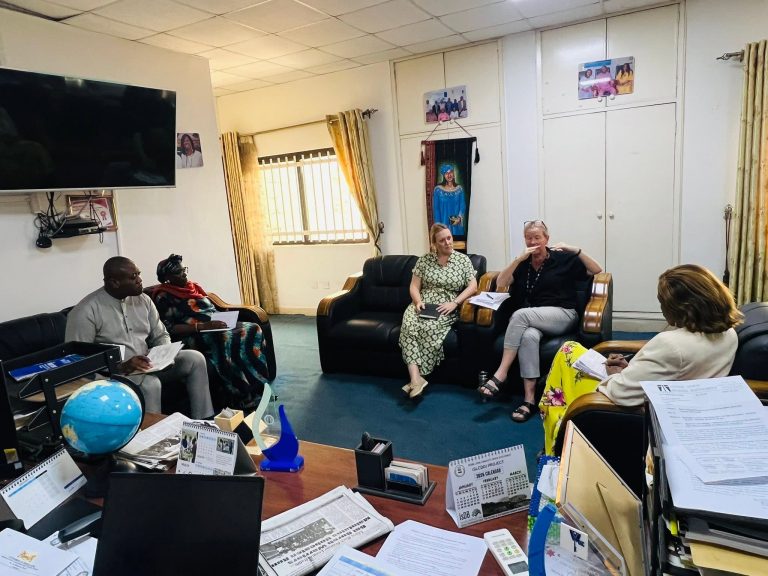
The mission commenced with a courtesy call on the Minister of Planning and Economic Development, Madam Kenyeh Barlay, during which discussions focused on persistent challenges in linking planning, budgeting, and implementation. The Minister welcomed the IMF-supported engagement and reaffirmed Government’s commitment to strengthening public investment management, improving project readiness, and addressing capacity gaps within the national planning function.
Madam Barlay highlighted the practical constraints faced in plan implementation, including delays in costing, weaknesses in results frameworks, and limited technical capacity for project appraisal. She emphasized the need for disciplined follow-through, stronger internal coordination, and accelerated reforms to ensure that planning meaningfully drives implementation and results.
As part of the mission programme, consultative meetings were held with the Financial Secretary and the Budget Directorate of the Ministry of Finance, alongside senior officials from MoPED. These engagements reviewed existing legal, institutional, and procedural arrangements for linking national development priorities and public investments to the budget, assessed recent reforms in the budget preparation process, and examined coordination challenges between MoPED and MoF. The mission further engaged selected Ministries, Departments and Agencies (MDAs) through structured technical meetings and presentations. MDAs provided insights into sector planning processes, project appraisal and costing, prioritisation and approval mechanisms, integration into the Medium-Term Expenditure Framework (MTEF), and coordination with development partners.
Key challenges identified included weak project preparation, fragmented handling of externally funded projects, and limited application of national planning frameworks in project design.
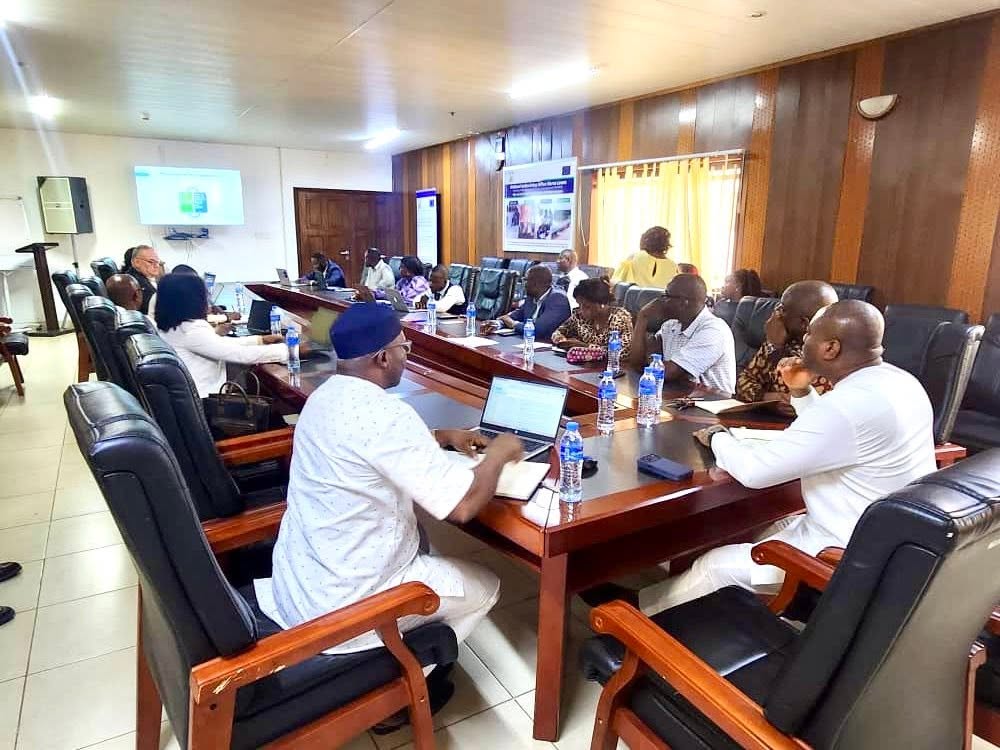
A central component of the engagement was a technical capacity-building workshop involving the Directorates of Planning and Public Investment in MoPED, the Budget Directorate of the Ministry of Finance, and selected MDAs. Presentations were delivered by MoPED Directorates and the Public Financial Management Directorate, focusing on institutional mandates, planning and budgeting processes, and coordination bottlenecks. The IMF/AFRITAC West 2 delegation provided technical guidance and international best practices. The mission was led by Ms. Rehemah Namutebi, AFRITAC West 2 Public Financial Management (PFM) Regional Advisor, and supported by Ms. Gertrude Aerone Basiima and Mr. Gerhard Steger, IMF Fiscal Affairs Department (FAD) short-term experts. The team shared comparative experiences, including lessons from Rwanda, on strengthening coordination between policy planning, public investment, budgeting, and monitoring and evaluation.
At the wrap-up session, MoPED and the IMF/AFRITAC West 2 team agreed on several priority reform actions. These include introducing a strategic phase in the budget preparation process, commencing in March and jointly coordinated by MoPED and MoF, and replacing the traditional Budget Call Circular with a Joint Planning and Budget Call Circular to institutionalise planning–budget alignment. The mission also recommended establishing a standing coordination mechanism covering development planning, public investment, and budget preparation, and strengthening the Public Investment Plan (PIP) to include comprehensive project information such as costs, financing gaps, timelines, and fiscal commitments.
Participants agreed on institutionalising annual project portfolio reviews to improve accountability and performance, and ensuring that all projects, whether domestic or externally funded, enter through a single national Public Investment Management system aligned with the National Development Plan.
The mission further recommended upgrading flagship projects to investment-ready status through feasibility studies supported by the Project Preparation Facility, and accelerating targeted capacity building in project appraisal, feasibility analysis, and investment preparation. The mission also highlighted the need to address legal gaps by explicitly assigning responsibility for development planning and public investment management to the Minister responsible for Planning and Economic Development, and anchoring planning–budget alignment requirements in law.
MoPED and the IMF/AFRITAC West 2 team reaffirmed their commitment to continued collaboration to strengthen institutional coordination, improve public investment management, and ensure that national development priorities are consistently reflected in the budget and delivered effectively.
The outcomes of the mission are expected to inform immediate reforms aimed at enhancing planning credibility, improving investment efficiency, and strengthening development results across government.
For further enquiries, contact:
Alfred Kabia — +232 79174027
Follow MoPED on Twitter (@moped2025), Facebook, or visit www.moped.gov.sl